Attic Mold Removal in Broward County, FL
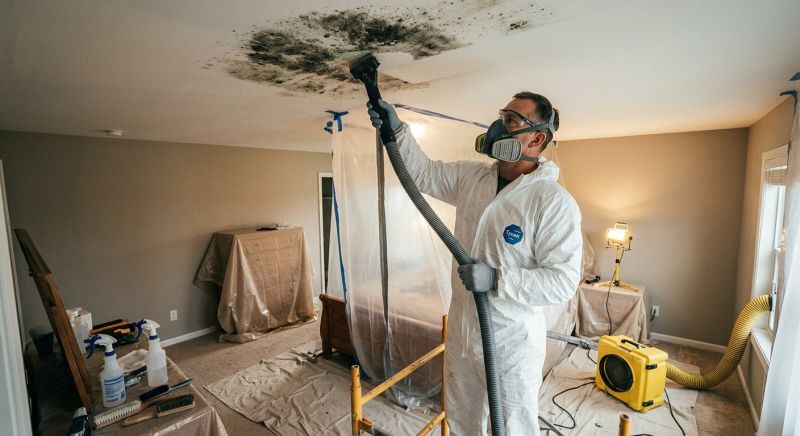
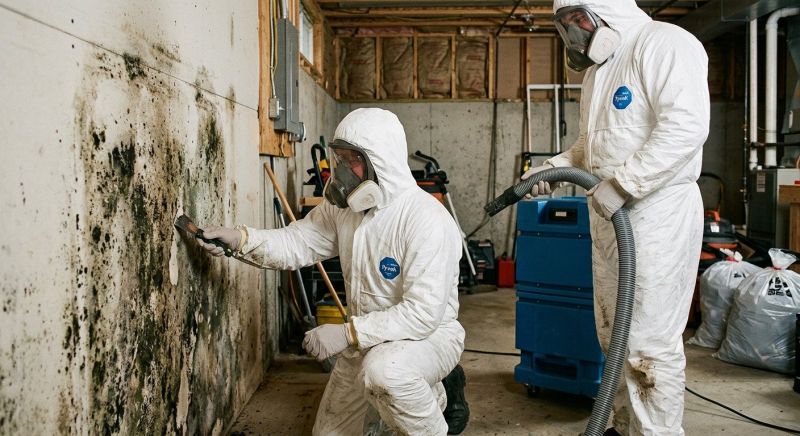
Attic mold removal involves identifying and eliminating mold growth that has developed in the attic space due to excess moisture, poor ventilation, or leaks. This service typically covers mold cleanup in areas such as attic insulation, rafters, and ventilation systems, ensuring the space is thoroughly cleaned and dried to prevent further growth. Property owners interested in attic mold removal should understand the extent of mold presence, the potential causes of moisture buildup, and the importance of addressing underlying issues to maintain a healthy and safe home environment.
Before requesting attic mold removal, homeowners often want to know about the inspection process, the types of mold that may be present, and the methods used for removal. It’s also helpful to understand the importance of proper ventilation and moisture control afterward to prevent future mold growth. Clear communication about the scope of work and any necessary repairs or improvements can help property owners make informed decisions about restoring their attic space effectively.
Many property owners in Broward County, FL look into Attic Mold Removal for repairs, replacements, upgrades, and appearance-related improvements.
Attic Mold Prevention
Proper ventilation and moisture control are key to preventing attic mold growth.
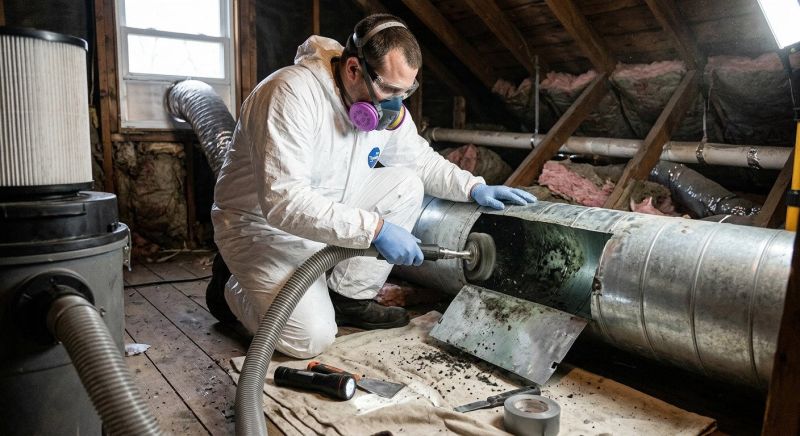
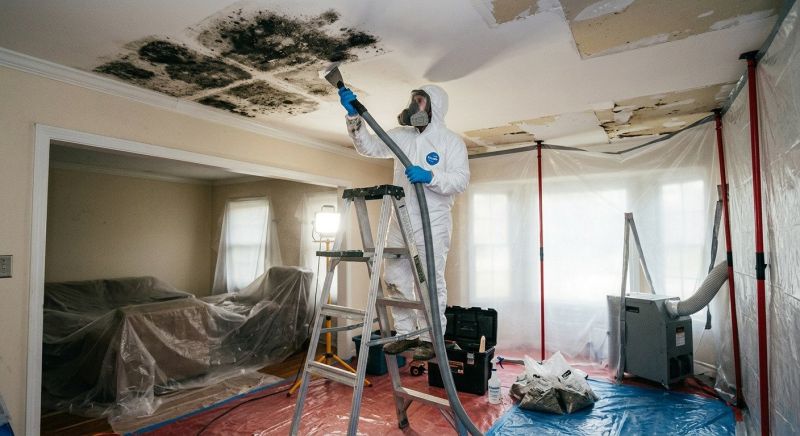
Signs Of Attic Mold
Visible discoloration, musty odors, and increased humidity may indicate mold presence in the attic.
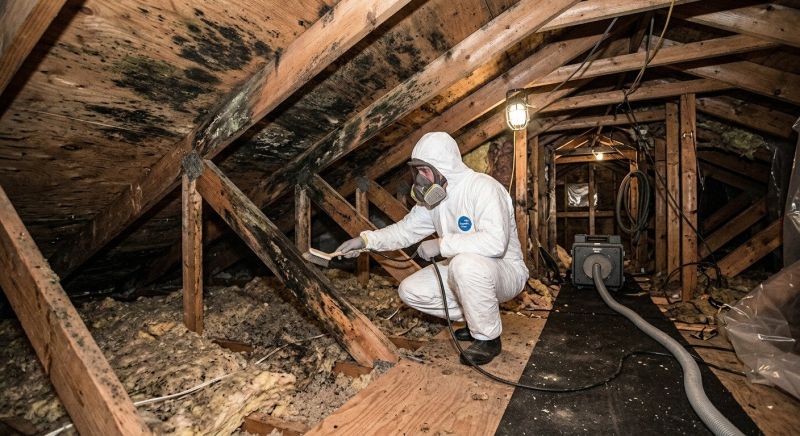
Health And Property Risks
Attic mold can affect indoor air quality and cause structural damage if left untreated.
Attic Mold Removal in Broward County, FL

Attic mold removal involves identifying and eliminating mold growth that has developed in the attic space due to excess moisture, poor ventilation, or leaks. This service typically covers mold cleanup in areas such as attic insulation, rafters, and ventilation systems, ensuring the space is thoroughly cleaned and dried to prevent further growth. Property owners interested in attic mold removal should understand the extent of mold presence, the potential causes of moisture buildup, and the importance of addressing underlying issues to maintain a healthy and safe home environment.
Before requesting attic mold removal, homeowners often want to know about the inspection process, the types of mold that may be present, and the methods used for removal. It’s also helpful to understand the importance of proper ventilation and moisture control afterward to prevent future mold growth. Clear communication about the scope of work and any necessary repairs or improvements can help property owners make informed decisions about restoring their attic space effectively.
Many property owners in Broward County, FL look into Attic Mold Removal for repairs, replacements, upgrades, and appearance-related improvements.
Common Attic Mold Removal Jobs
Attic Mold Removal - professional cleaning to eliminate mold growth in attic spaces.
Mold Remediation - thorough removal of mold to improve indoor air quality.
Ventilation Improvements - upgrades to attic ventilation systems to prevent future mold issues.
Moisture Control - identification and mitigation of moisture sources causing mold growth.
Insulation Cleaning - removal and replacement of contaminated attic insulation.
Mold Prevention - strategies to reduce humidity and inhibit mold reappearance.
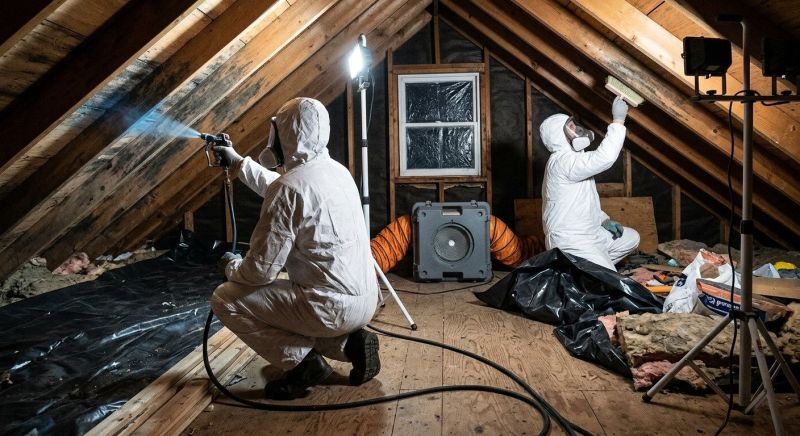
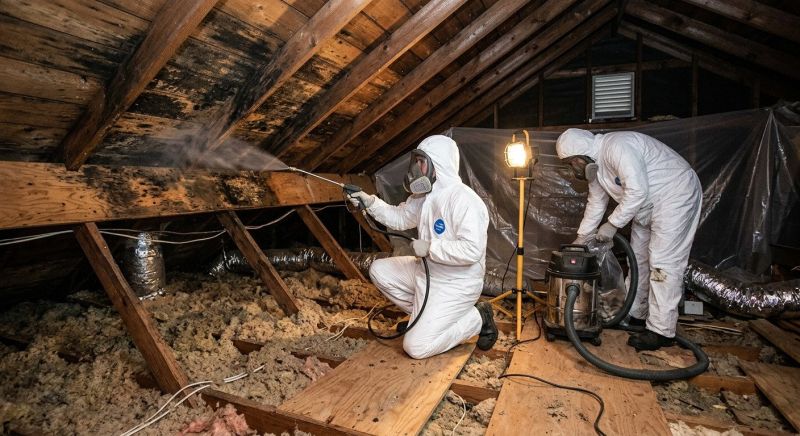
Attic Mold Removal Questions
Why is attic mold a concern for homeowners? Attic mold can cause structural damage and affect indoor air quality, leading to health issues if left untreated.
What are common signs of attic mold? Visible discoloration, a musty odor, and water stains are typical indicators of attic mold presence.
How does mold develop in attics? Mold thrives in areas with excess moisture, often due to leaks, poor ventilation, or humidity buildup.
What should property owners do if they find attic mold? It's recommended to seek professional assessment and removal to ensure proper cleaning and moisture control.
Request Attic Mold Removal in Broward County, FL
Use the quote form on this page to share the basics of your project and request more information for the type of work you need.