Mold Abatement in Essex County, NJ
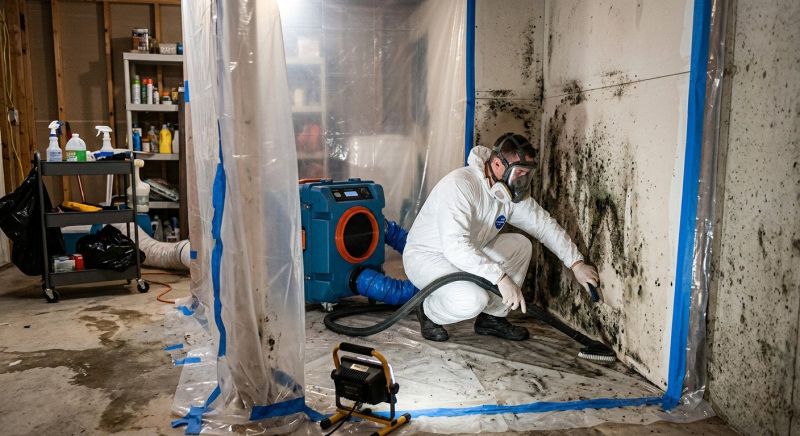
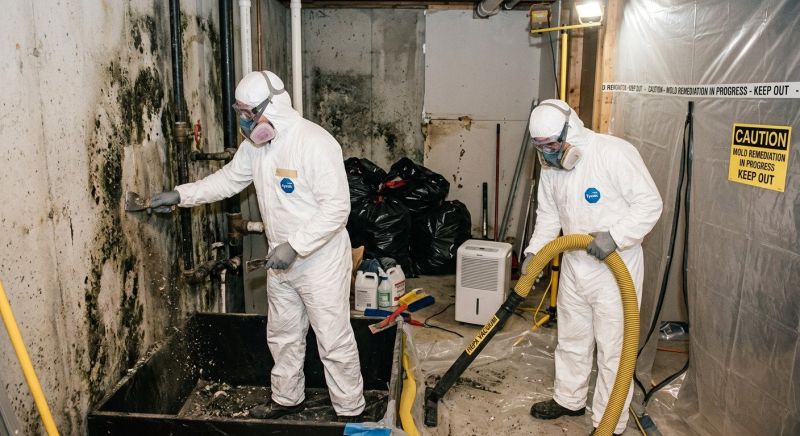
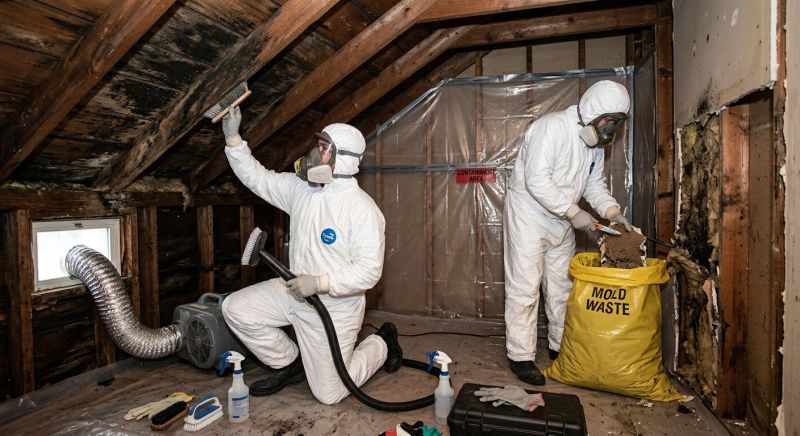
Mold abatement services involve the removal and remediation of mold growth within residential properties. This process typically addresses issues caused by excess moisture, leaks, or high humidity that lead to mold development on surfaces such as walls, ceilings, insulation, and other building materials. Projects can range from small, localized mold spots to extensive contamination affecting multiple areas of a home. Property owners usually seek mold abatement to improve indoor air quality, prevent potential health problems, and protect the structural integrity of the property.
Before requesting mold abatement, homeowners often want to understand the scope of the contamination, the types of materials affected, and the extent of the removal process needed. It’s important to consider whether the mold has penetrated porous surfaces or if it’s limited to surface growth. Property owners should also inquire about the methods used to contain and eliminate mold spores, as well as any necessary repairs or moisture control measures to prevent future growth. Clear communication about these aspects can help ensure the project addresses the specific needs of the property.
Many property owners in Essex County, NJ look into Mold Abatement for repairs, replacements, upgrades, and appearance-related improvements.
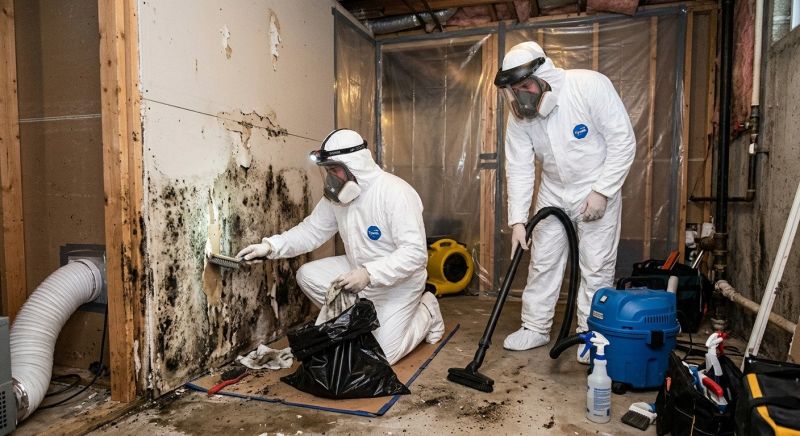
Mold Risk Reduction
Effective mold abatement helps prevent health issues caused by mold growth in homes and commercial properties.
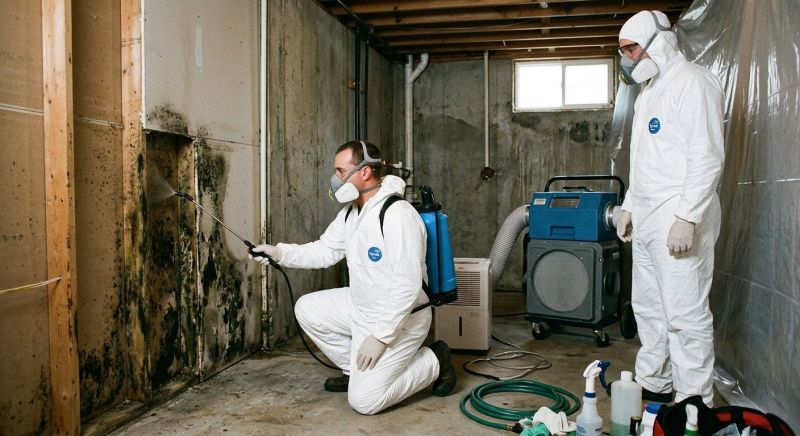
Property Damage Prevention
Removing mold early protects structural elements and minimizes long-term property damage.
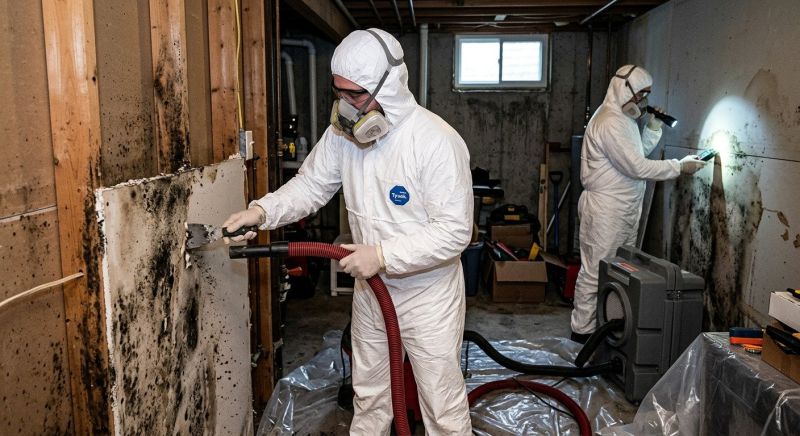
Indoor Air Quality Improvement
Mold remediation enhances indoor air quality, creating a safer environment for residents and occupants.
Mold Abatement in Essex County, NJ
Mold abatement services involve the removal and remediation of mold growth within residential properties. This process typically addresses issues caused by excess moisture, leaks, or high humidity that lead to mold development on surfaces such as walls, ceilings, insulation, and other building materials. Projects can range from small, localized mold spots to extensive contamination affecting multiple areas of a home. Property owners usually seek mold abatement to improve indoor air quality, prevent potential health problems, and protect the structural integrity of the property.
Before requesting mold abatement, homeowners often want to understand the scope of the contamination, the types of materials affected, and the extent of the removal process needed. It’s important to consider whether the mold has penetrated porous surfaces or if it’s limited to surface growth. Property owners should also inquire about the methods used to contain and eliminate mold spores, as well as any necessary repairs or moisture control measures to prevent future growth. Clear communication about these aspects can help ensure the project addresses the specific needs of the property.
Many property owners in Essex County, NJ look into Mold Abatement for repairs, replacements, upgrades, and appearance-related improvements.
Common Mold Abatement Jobs
Mold Remediation - removes mold growth from affected areas to improve indoor air quality.
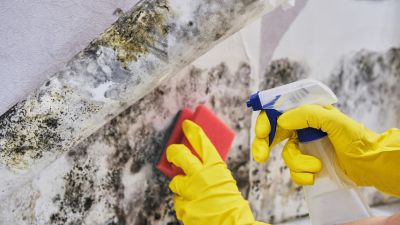
Mold Cleanup - safely eliminates mold spores from surfaces and materials.
Mold Prevention - implements strategies to prevent future mold growth after abatement.
Water Damage Restoration - addresses moisture issues that can lead to mold development.
Air Quality Testing - identifies mold presence and assesses the effectiveness of remediation efforts.
Property Inspection - evaluates mold risks in hidden or hard-to-reach areas within the property.
Mold Abatement Questions
What is mold abatement? Mold abatement involves removing mold growth from indoor spaces to improve air quality and prevent health issues.
When is mold abatement needed? It is recommended when visible mold is present or if a moisture problem has led to mold growth in the property.
What types of projects require mold abatement? Projects include mold removal from walls, ceilings, HVAC systems, or after water damage incidents.
How should property owners prepare for mold abatement? Ensure affected areas are accessible and remove any personal belongings that could be contaminated before work begins.
Request Mold Abatement in Essex County, NJ
Use the quote form on this page to share the basics of your project and request more information for the type of work you need.